Showing posts with label calories. Show all posts

Tuesday, 25 March 2014

A Salad or Fries? Quality Counts

I wanted to write a mini post about calorie counting and food quality. I'm sure Jodie can weigh in with more knowledge than me, but here goes anyway.

I read an article recently where it compared salads you can find in local and chain restaurants and how these actually compare to unhealthy options in terms of calories. Taking Chili's Grill & Bar as the example, their Quesadilla Explosion Salad has 1440 calories. You may as well purchase a greasy burger.

Or should you?

Photo Courtesy of article. Article can be found at Shape.com


Yes, you do need to be careful what the restaurant is classing as a "salad". The green part can't be a small addition to the plate.

But choosing a Chicken Caesar Salad (660 calories) is still ultimately going to do better for me than a Big Mac (550 calories). The quality of the food matters just as much as the calories, and I don't just mean eating a better quality burger pattie than what is found in the Big Mac. I mean that a salad or vegetables are going to be a better choice than a Big Mac. After all, vegetables and fruit contain calories. It's not as if the foods that are good for you are going to be 0 calories. Diet Coke isn't great for you and yet it's 0 calories. Many fruits actually contain sugars, so even those you still have to eat in moderation. But they are still a better choice than their sugary alternatives at the same calorie count.

It is important to consider what you are eating if you are calorie counting. A great app for that is Calorie Count. This is app is free but it also gives you an idea of how good your choice is, which My Fitness Pal does not do. When you select a food, it gives it a grade from A - F, and then you can judge for yourself whether the choice is going to be good for you, regardless of the calories.

As Jodie has often told us, use calorie counters as a guide, but not as your God. Counting calories is not the be-all-and-end-all of healthy eating. There are many other factors to consider which can considerably speed up and aid your weight loss.

Monday, 3 March 2014

Eleana's Weekly Check-In

Weight: 68 kg (- 2 kg)
Waist: 30.25" (- 2.25)
Hips: 41.5"(- 2")
Thighs: 24" (+ 0.5")

Another week, another check in! And what a week it's been. As you can see from figures, while I am struggling to lose weight overall. I am still losing inches, so I'm not totally disheartened!

I can't really explain my lack of overall weight loss, not being an expert. I know that weight is very dependent on the day and how your body is in various things other than mass weight (e.g. water, time of the month etc.) but ultimately I do want to see those numbers go down to at least what they used to be.

Happily I am still seeing difference in my measurements (as long as I am doing it right, really hope I am). I have seen a difference to both my waist and hips to my delight, although once again I have gained in my thighs. I'm hoping this isn't a repeat of my karate years where I kept myself in good shape but got big uber thighs from it.

This week's challenge was the reflection chart. It was pretty much what I expected, I didn't really have any surprises. I woke up feeling tired and found it difficult to get out of bed, even after 8-10 hours sleep, but that's not unusual at all for me. About 30 minutes later I am awake and won't even want a nap for the rest of the day and will struggle to get to sleep in the evenings. I've never figured out why this is, but I've been like this so long I don't question it. I am usually in a good mood and not stressed, lucky! This week I had two major last minute homework assignments, but even this did not affect my eating. I was still under my calories. It did affect my exercise, however, as for Tuesday and Wednesday I just didn't have the time in the day to do exercise. 

Thursday I had a very unusual very bad day for personal reasons. It really affected me that evening and the next morning. It, amongst other things, prevented me from working out on Thursday, and it almost stopped me from exercising Friday too, but I forced myself to join Jodie at Zumba. The bad episode continued into the afternoon until I was able to clear the air in the evening. I can now really see how Rachael struggles when things get on top of her. It really does affect your motivation, or even ability to stick to your plan.

This weekend I had a major spring clean which took me 4 hours on Saturday so, considering it involved a lot of physical exertion and time, I didn't exercise that day. Sunday was the only day where I was truly lazy and could have exercised, but didn't. Not bad for me! But room for improvement as always.

I wrote a piece on Baby Steps in changing your habits, which you can see by clicking here.

Considering everything I wrote in this post, I am not as disheartened about my efforts this week as I might have been, because I accept that sometimes life gets in the way and the small steps and changes I made this week still helped me work towards my goal. I am, however, going to restart Week 1 of the Ripped in 30 Challenge. I shall not be defeated!

Friday, 28 February 2014

Baby Steps In Changing Your Habits

I thought I'd write a post having had time to reflect on Rachael's post and our chat about being overwhelmed.

If you haven't seen her post, you can see it here: Feeling overwhelmed and how I'll make a change

This isn't my first go around for trying to diet and exercise with friends. In fact Jodie, Rachael and I tried to get fit and in shape last year together, although this just meant circuit training one evening a week and then having a home cooked meal together after. We even tried to do Couch to 5K, and I can't speak for the other girls, but I failed miserably at that by going running once and then never doing it again. Hopeless!

I don't know why my motivation is different now, seeing as I had my friends for support all the other times too, although none of them were quite as regulatory as Jodie is as my personal trainer (^_^). I think once you have made the decision to really commit to it, really really commit, it becomes a little easier.

Anyway, once you have made that commitment, you can absolutely throw yourself into it. You can eat healthy salads for all your meals, cut out your sugar and your dairy, exercise everyday, or twice a day. You can go nuts to see results. But for the average person, especially one who has not really dieted or exercised seriously before, and who also has their regular everyday busy life to contend with, this can be exceptionally hard and it may not be conducive to the needs of your important routines. Or maybe the very idea of beginning a diet or exercise regime scares the heck out of you because of all it will entail in changing your life?

Baby Steps cannot be underestimated as a legitimate dieting plan. If you cannot manage it all, if you cannot completely change your life to focus on your new exercise and calorie counting regimes, then baby steps are still going to make a huge difference in the end.

Goals

When we first came up with the idea of the pact, along with writing down our measurements and finding out our healthy weight through a BMI calculator, Jodie had us write down our goals. That's right, GOALS, plural. We could have more than one, and this could cover different areas. I had multiple weight goals I wanted to reach. There was my ultimate goal of 59kg which meant I had to lose 10kg/22lbs total. There was my middling goal of 63kg, which has been my normal weight for as long as I can remember. There was also an easier reachable goal of 66/67kg which would put me back into the "normal weight" section of the BMI calculator. That way, even if I was only able to make small changes to my life, I would have the opportunity of reaching at least one of my goals and feeling accomplished.

I also made other small goals such as being able to walk up the stairs to my office without wanting to sit down and wanting to huff and puff at the top, and learning to like at least 3 more vegetables. Simple, small goals that eventually can go a big way towards building your confidence and seeing results.

Changing Your Diet

So you're a picky eater (like me), or too busy with life things to really make time to cook and research healthy meals. Making big changes to your diet will then feel incredibly daunting as well as time consuming. But take baby steps! Look at what you're doing now, write down what you eat during the week, and see where you can make a few changes.

If you eat out a lot or get take out to indulge in big unhealthy portions of food, cut down on how often you do this, or what you choose off the menu. Many menus have Under 500 Calorie options now like Olive Garden, and Applebee's has a Weight Watchers symbol next to healthier food options. Look up the meals on your Fitness app!

If you eat a lot of sugary treats and are finding it hard to give them up (sugar is so addictive so cutting it out completely absolutely leads to withdrawal-like symptoms), cut down on what you do eat without cutting them out altogether. I still eat Cookies and Cream Hersheys Kisses now and again during the week, but I don't sit down and eat the whole bag as I used to, and I managed to cut out dessert by satisfying my sweet tooth after a meal with 3 or 4 Cadbury Mini Eggs.

Changing Your Exercise

I used to be incredibly lazy and take the elevator up 2 floors in my office building. I now always take the stairs. It's not much, but it'll make a small difference! I go to a couple fitness classes a week, but if you can't do that, do a DVD from home, or check out our exercise links on our website for free exercise videos. DVD sessions tend to be about 30 minutes long, but even if that is hard to make time for, online videos can last as long as 5 minutes!

Image Courtesy of Cassey Ho. Click here to check out the video
So you can't work out everyday, or for hours. Small exercise sessions are going to help your endurance and fitness levels and may help you at least stop gaining weight, even if you cannot do them often enough to lose some quickly!

Thinking Long Term

Baby steps may not seem like much, but they start getting you used to thinking about fitness until it'll become natural to you, and natural to step it up a notch. Once you get used to drink 2 cups of water a day for a few weeks, it's going to be so much easier to up it to 3 or 4. Once you do some 5 minute exercises a few times a week, you'll start building up your endurance and fitness levels to be able to eventually do 10, 15, 20, 30 minute sessions and more often. If you cut down on your sugar and fatty foods intake, but not cut it out completely, when you find the time to dedicate to eating healthily it won't be so hard to give things up because you'll be halfway there!

You may not have the time, the energy, or the motivation now to completely change your life around, but start working now in small ways to change and then when time becomes available, it's going to be so much easier for you. Don't delay! Start today.

Tuesday, 25 February 2014

Portion Control and Intuitive Eating

I've just finished my Ripped in 30 workout of the day, and as I'm letting my body cool down I figured I would write a post. We've talked a couple of times about portion control. Knowing when to say "no" to more food is something that a lot of people struggle with, yet it is one of the most important aspects of a healthy lifestyle.

Growing up, I was always told to finish what was on my plate - otherwise no dessert! I think this is the same for a lot of kids, and it means that we have it ingrained in us to finish everything, no matter the serving size. I've already said that my family favored large portions, so the total effect was that I never learned what was the right amount of food for me. Looking back, I think I ate 3 or 4 times the amount of pasta that I would these days.

There are many people who fundamentally disagree with the idea that we should watch calories in order to lose weight. Some of the arguments against calorie-counting include the fact that it can lead to an obsession with food/weight, it doesn't necessarily encourage people to choose whole, plant-based foods instead of chemically-altered "low fat" products, and it doesn't teach us to learn how to pay attention to your hunger signals ("intuitive eating").

Personally, I think it is useful to keep calories in mind when you're losing weight, so long as you keep the drawbacks in mind. So I don't obsess about the actual number of calories, I just try to eat 1200-1500 most days, and ideally I have a lighter and a heavier day for a treat. My body is fine with this, because so much of my diet is plant-based and I get regular exercise. I implore you to spend much more time thinking about the quality of your food than the quantity.

With that said, it leaves us with the last point: how do we learn to eat intuitively? It seems like some people are born with the ability, content to say no to a slice a cake if they're just not feeling it right then. I was never like that, but I have learned to attack the desire from all angles: It's not in my calorie plan today, I don't want to undo my workout, and if I'm being honest, I'm not actually close-to-starving hungry, so no thanks. Of course, I don't live a life devoid of treats, and it's easy to incorporate them into a healthy diet. I like to splurge once a week on anything I want rather than trying to factor in something small each day, but that's jut my preference. Remember that there are no "good" or "bad" foods, but it's better for us to have everything in moderation.

Eating intuitively is a skill that we can all develop. It means rather than always answering "Yes please!" to a treat or extra portion, to take a moment to think, "But do I really want this?" You will be surprised to find that, over time, just asking yourself the question will allow you to say no. Here are some more tips:
  • Ask yourself, "On a scale of 1-10, how hungry am I?"
  • If you have already eaten, give yourself 15-30 minutes to digest it first. Sip some water. Often the impulse will pass.
  • Ask yourself, "Am I truly hungry, or am I feeling something else?" If you feel stressed, tired or upset, find something else to do other than eat - take a nap, shower, go for a walk, read a book, call a friend.
  • If you are craving a food that doesn't fit with your calorie requirements that day, promise yourself you'll have it as a treat another time when you can. I keep a mental checklist of good food that I want to try out once a week. Never tell yourself, "I'm on a diet, I can't have it!" You can have it, you just don't want to right now.
  • Ask yourself, "How will I feel after I've eaten this?" Sometimes, I know that I will not regret it at all, and if that's the case I go right ahead. :)
When it comes to food, I try to eat fairly intuitively and be mindful of portions. I don't think too much about plant-based food because it's pretty difficult to overeat on vegetables, and I usually only have 2 pieces of fruit a day. But if I'm going to eat meat, grains, and sometimes legumes/fats, I will measure them out. Some tips:

Portion Control at Home
  • Measure/weigh your food. I have both cups and a cheapo scale from Walmart. I know that I'm happy with a 1/4 cup of brown rice (1 cup when cooked - 170 calories), 1.5-2oz of wholegrain pasta (150-200 calories), 1/4 cup quinoa (1 cup cooked - 220 calories). When I get something new or unusual - I don't regularly cook with couscous - I'll be sure to check it and measure it out. Eye-balling it is not the best idea!
  • Calculate your calories ahead of time. I said this already for meal-planning, but it really does help. If you get home from work, tired and hungry, and decide to cook a big Spaghetti Bolognese, the chances are you will eyeball a large pile of pasta and only afterwards be left to guess how much you had. It will likely be much more than you thought!
  • Only put as much on your plate as you are going to eat. I am pretty systematic with my cooking and always know the portions ahead of time, so there's no seconds for me - it's already being put into tupperware.
  • Alternatively, make it a rule to always leave a little on the plate. I don't follow this because my portions are already small, but I know it works for some people.
  • If you are really hungry and the portion of meat/grains isn't going to cut it, add more vegetables or a side salad or even soup.
  • Try to plan meals that you know will be healthy and filling. I remember two of my friends who lived together at uni would bicker about eating together because they had such different dietary needs. On one occasion, one girl wanted to buy a quiche and a bit of lettuce to have on the side. The other girl, who was trying to lose weight, didn't want to have a tiny sliver of quiche to try to stay in her calories, she wanted something that was filling. Hearty and vegetable-filled is the way to go.
The more you cook and make food for yourself, the more healthy meals you will have in your arsenal. You will get to know your portions and won't think twice about measuring (or eye-balling, if you ever feel okay about this - I've always stuck with measuring). Try also to stick to healthy habits such as eating at the table, slowly and deliberately, with no distractions such as TV or the computer.

So that's all well and good, but what about eating out? Oh, we all know the trials of the American restaurant! I've never excelled when it comes to healthy restaurant dining but I am slowly getting better.

Portion Control at a Restaurant
  • If you can, pick a restaurant that will have healthy options. I sigh when I can only order salad out, which is why I like Asian restaurants more. Who's up for some Rice & Spice, amirite?
  • You don't have to pick the very healthiest thing on the menu if you don't really want it, but don't splurge every time. If the choice is between a salad, sandwich or a pizza, I'm not saying you must get a salad, but maybe don't scarf down a whole pizza if there's a decent sandwich or combo option.
  • Share your meal! I know this one is difficult when it comes to compromising on what to have. And sometimes your male companion doesn't want to share. My brother won't share food with me because he says, "Girls say they just want a little, but then they hog the whole thing." And Chip got annoyed when I made him split a sandwich with me because he wanted his own. But maybe girlfriends would be better? We could have a sharing day!
  • Box it up. God bless the USA! Ask for a to-go box to have with your food, and put half away immediately. If this isn't an option, divide up the plate at the beginning of the meal. If possible, tell your date that you'll only be eating half. It's probably weird if it's a work colleague or new friend, but if it's sometime you've asked to support you in your efforts it will help to stick to that portion.
  • Gift the box to a friend or boyfriend, if appropriate. You don't need to have it again the next day, and it'll be a nice treat for them.
  • Leave food on the plate when you leave. I know this is hard. I'm always thinking, "I paid for that, I'm going to eat it!" But really, what will make you happier the next day - the fact that you got your money's worth, or the fact that you exhibited willpower when it was really hard?
General Tips
  • Before eating more, have a glass of water. Staying hydrated throughout the day will help immensely with your hunger signals.
  • Keep mints or chewing gum on hand for when you've finished, or brush your teeth immediately after a meal.
  • Practice practice practice!

Monday, 17 February 2014

Creating a Meal Plan

I've been using Livestrong's MyPlate meal tracker for about 2 years, and I've found it to be one of the best tools for weight loss. I know that Eleana is finding MyFitnessPal to be great motivation for resisting the impulse to have an unhealthy snack, and I would suggest taking it a step further: plan out your meals and snacks before the day has begun. This could mean sitting down first thing in the morning to plan out what you're going to eat that day, doing it the night before as you pack your lunch/snacks for the day, or doing it once a week before going food shopping. I'm a fan of the latter because it sets me up for the week, ensures a healthy grocery list and helps me to make sure I won't waste food. I tend to tweak it throughout the week depending on my schedule.

People have different views about how many times a day we should eat. The most common ideas are three big meals versus five smaller meals. I was brought up to have three meals a day, no more and no less. But I would be ravenous when I got home from school and snack a lot before dinner, and even after (dessert is still part of dinner, right?). When I was 18 and got a full-time office job, I needed a snack in the morning and again in the afternoon to keep my energy levels up. As a student, I would eat three meals, skip the morning snack and have something chocolatey in the afternoon. I was sort of on the right track. Now, I aim for 3 meals and a substantial afternoon snack, but since I exercise 5x a week I tend to split my breakfast calories into two meals, allowing me to eat before and after my workout. So I guess I am somewhere in between 3 and 5 meals! Anyway, I think it's important to figure out what works best for you and your lifestyle.

Experts recommend eating breakfast within an hour of waking up. Eating breakfast is so so important! Those who eat breakfast every day are five times less likely to be obese. We tend to think of dinner as being the biggest meal, but you're much better off having more calories early in the day. It's recommended that you eat every 2-3 hours. I have low blood pressure, so I have to take this seriously or else I risk dizziness and fainting, but I think it's a good idea regardless; it helps regulate your appetite so that you're not starving by the time you reach the next meal. It's also important not to eat dinner too late/too close to bed time. Bob Harper of the Biggest Loser show says you should feel a bit hungry by the time you're laying down to sleep. As for eating and exercise, it's good to eat before and after, without drastically adding on extra calories. It's simplest to line up your workout with a meal. So you could exercise right before breakfast, lunch or dinner, and have a snack about an hour before, or exercise about an hour after a meal and follow it with a snack. For a morning workout, plenty of people like to run without any food in them, but this makes me feel like death (I've almost fainted in a gym twice!) so I tend to have a smoothie, giving myself time for it to digest to avoid nausea.

To finish this post, I'll give you an example of the kind of meal plan I stick to each week. There are variations as I don't tend to have 4 slices of bread in a day or 4 eggs or whatever.

Breakfast/Pre-workout: Smoothie (current ones in rotation are Spinach Berry - 2 handfuls of spinach, 1/2 frozen banana, 1 cup coconut water, 2 cups water, 1 cup frozen mixed berries; Kale Orange - 1/2 frozen orange, 2 kale leaves, 1/2 cup almond or coconut milk).
Morning Snack/Post-workout: Peanut butter & strawberry jam on Ezekiel bread; 1/2 wholemeal bagel & boiled egg; vegan overnight oats w/ coconut milk, chia seeds, banana, strawberries and almond butter; Porridge w/ banana & almond milk
Lunch: Salad, soup or sandwich using Ezekiel bread, sometimes a combination. Currently a salad of Romaine lettuce (4 leaves), 1/2 Roma tomato, chopped red onion, sliced cucumber, 3 slices of chicken breast (from the Kroger deli counter, 1/2 lb lasts me for 4-5 salads), 1 tbsp honey mustard dressing
Afternoon Snack: Raw almonds & raisins (15/30); Lara bar; Apple w/ peanut butter & raisins; Carrots & hummus, deli meat
Dinner: Turkey meatloaf w/ sweet potato fries (Iowa Girl Eats), Thai red curry w/ tofu & brown rice (trying to help my Rice & Spice cravings and healthify a favorite dish)

On weekends I usually make pancakes! :)

Once upon a time I ate Shreddies & cow's milk for breakfast, snacked on coffee drinks and snack size chocolate bars, had a sandwich for lunch and a pasta dish for dinner. I feel much happier to be free of dairy and processed wheat, concentrating on lots of veggies and protein. I still have a ravenous sweet tooth which I am attempting to work on, but I am doing so much better than I used to.

Sunday, 16 February 2014

Calorie Tracker Apps

It may surprise you that although there are thousands of apps for healthy living and diets and a few hundred directly related to weight loss and weight management (Breton, Fuemmeler and Abroms, 2011, p. 2) there has been very little study about how well these apps actually work in terms of accuracy and assistance in actual weight loss. Various magazines like Good Housekeeping and personal blogs let you know the author's "favourite app" for tracking weight, but barely any actual research findings are mentioned. As a higher education student I think about these kinds of things and so am a little skeptical about their real utility.

Image courtesy of WithingsBlog


The app I am currently using is MyFitnessPal which Jodie had me download at the start of our pact. It's simplicity is what really appeals to me because my knowledge of calorie counting is incredibly limited. I like the fact I can search for foods and more often than not what I am searching for has already had its data inputted in the app. I love the bar code scanning feature which automatically finds the product I am looking for. When you finish uploading for the day the app will tell you what your weight would be after 5 weeks if you ate everyday the same as you had that day. On days where I had stuck to my goals it was encouraging, and on days where I given myself free reign it would take me aback and I give me a boost to go back to my original course.

The selections for Strength and Cardiovascular exercise are somewhat lacking in variety, for example I searched for High Intensity Circuit Training and other similar variations and found no results for any of them. Also, you can see your protein, carbohydrate and fat intake from the day in terms of a pie chart but it does not track you sodium or sugar intake which can make a big difference. For this reason Jodie uses a different app which she may write a review on at some point. Eventually I may move on to another app, especially as I should probably manage my sugar intake better...

However, for the moment, this app will do. Having an app on your phone does make things easier on your diet. Originally I thought I would find it irritating, but actually I've found it very useful.

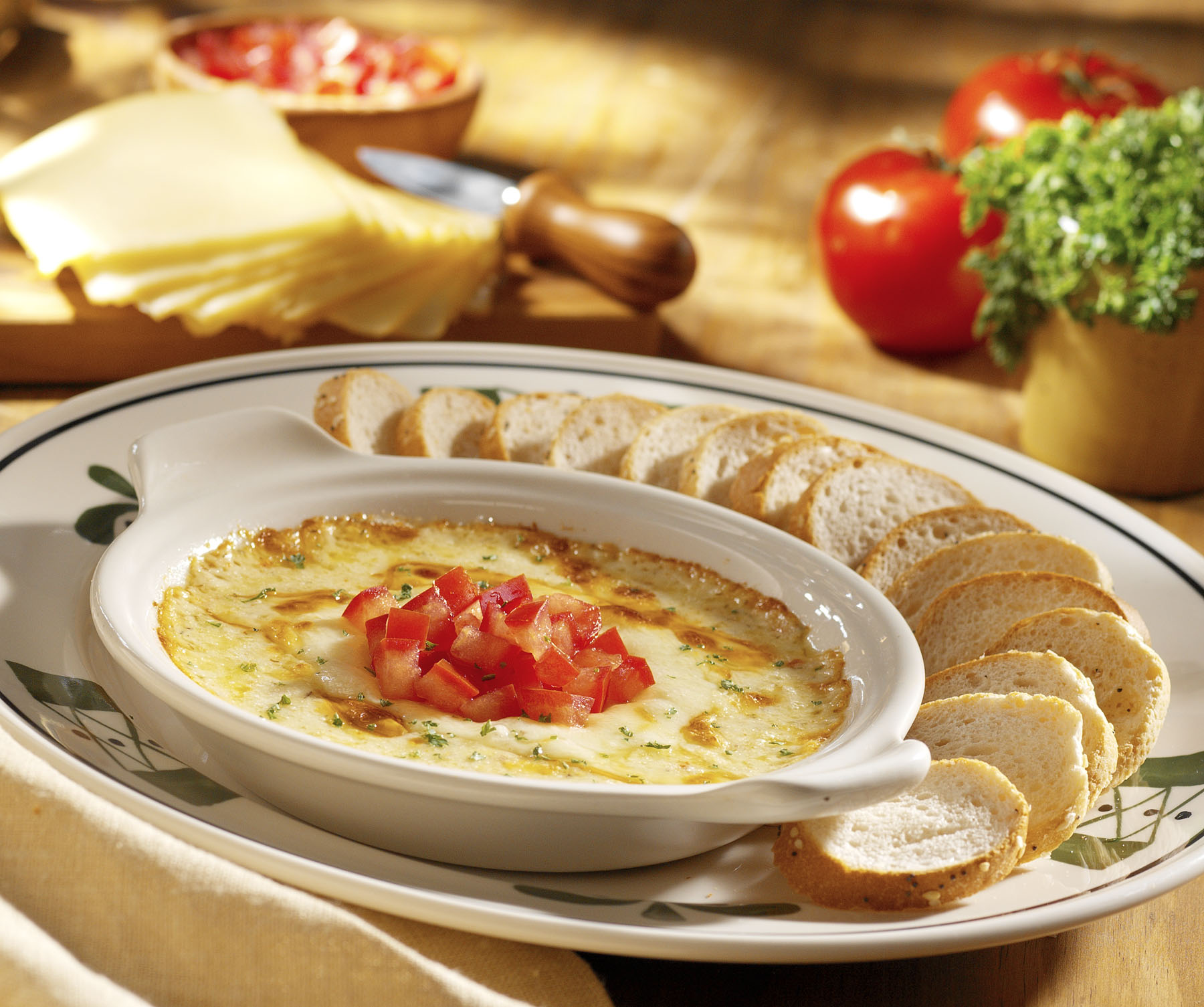
The best approach is to search for the items of food you want to eat before you purchase/order them. Say you're in a restaurant, Olive Garden for instance. Before ordering the Smoked Mozzarella Fonduta appetizer, plug it into your app. You may be shocked (as I was) that the entire plate contains 970 calories. Eating half of this plate would have taken up a good chunk of my calorie limit for the day. You can, of course, still choose to eat it. Nothing is really stopping you except your own motivation and willpower, but maybe finding out the details of the dish will make you rethink your choice. The same happened when I stopped at a gas station and wanted an Icee and a creme egg. I plugged them into my app and weighed up whether it was worth it too consume the calories. On a day where I plan to eat very healthy meals with few calories there may be some room for a creme egg. That day I decided to forgo both items. And I actually came away feeling very proud of myself, because my willpower is seriously terrible (I totally ordered the Fonduta anyway that day).

Image Courtesy of Olive Garden At Home

As to how accurate these apps are, that it somewhat up in the air. I have scanned something inaccurately before and the app told me that they had no record of the product so far, so asked if I could input the information myself. Therefore, the app clearly has had user input, and as long as those users were honest and accurate then there is no problem. Without knowing the statistics and research which so far is lacking, it's hard to say how accurate everything will be, so I would definitely double check yourself if you have the information in front of you.

I would still definitely recommend downloading an app. Download a few and see which ones work best for you. Don't rely on it as an exact and completely accurate portrayal of your calorie intake, but use it as an aid to give you a general idea. Hopefully soon research will catch up with technology and we'll see just how useful these things are.

Source: Breton, E., Fuemmeler, B. & Abroms, L. (2011) "Weight loss - there is an app for that! But does it adhere to evidence-informed practices?" in Transitional Behavioral Medicine, 1(4), December, pp. 523 - 529